Trump’s reciprocal trade tariffs set to reshape global automotive supply chains and disrupt industry investment
The US aims to impose reciprocal tariffs around the world, triggering potential trade wars that could impact automotive logistics networks and dampen investment.
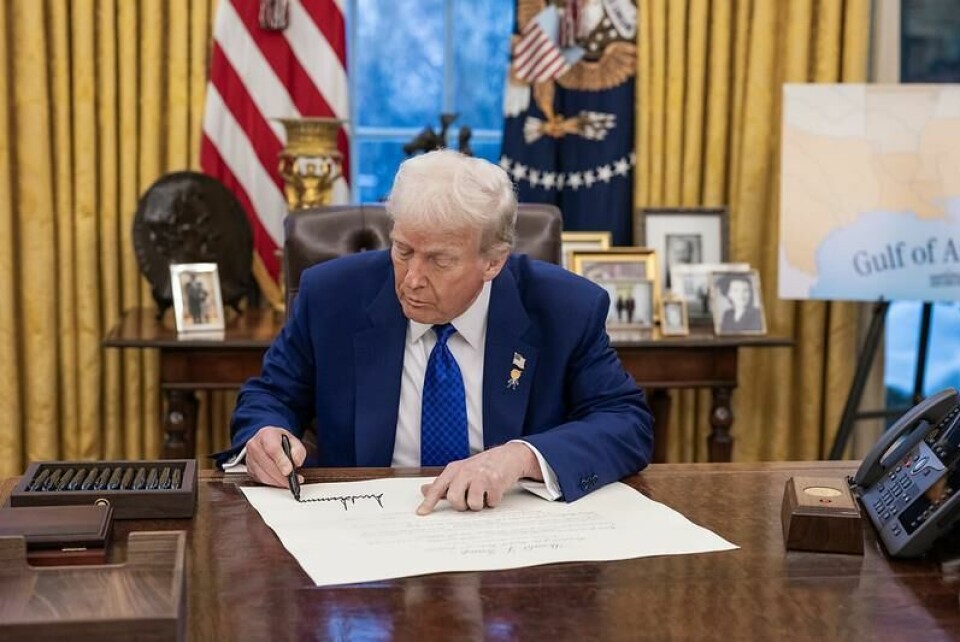
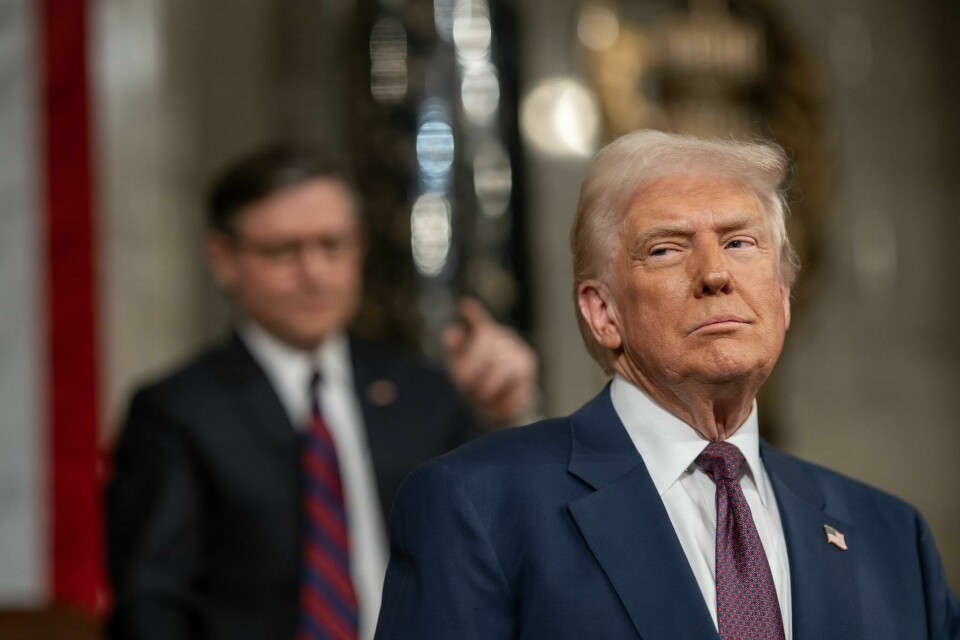
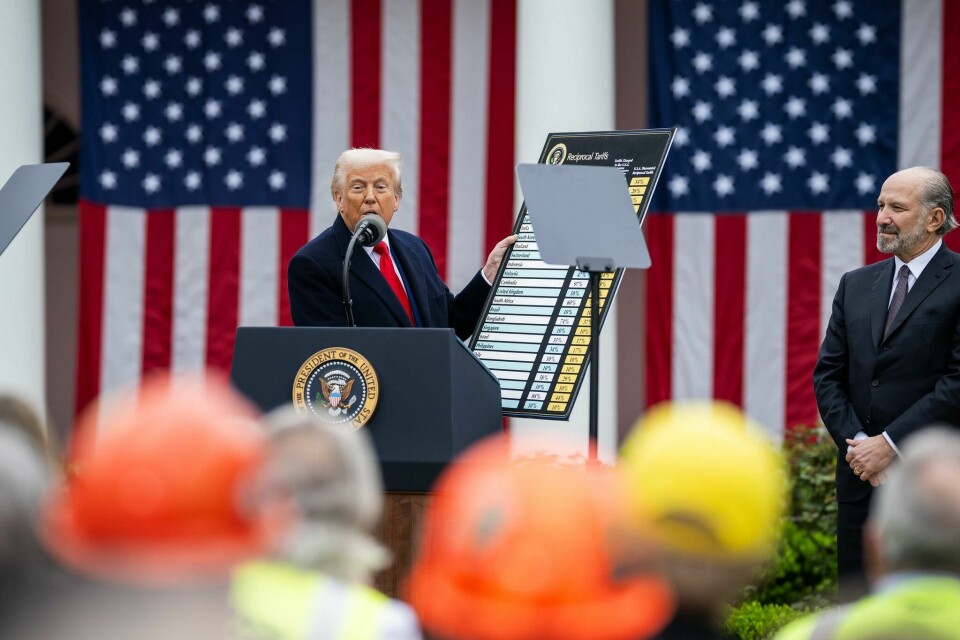
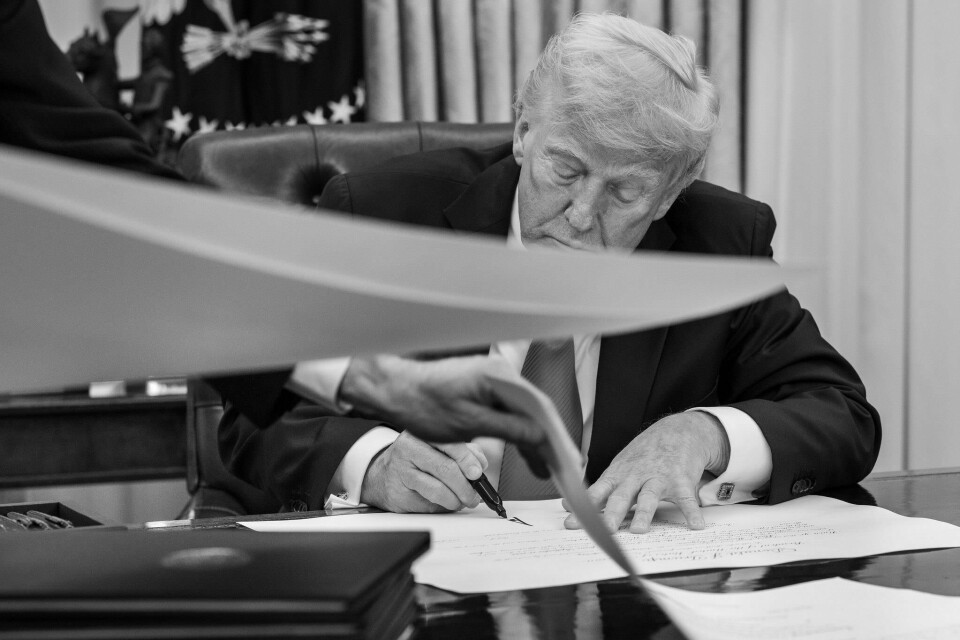
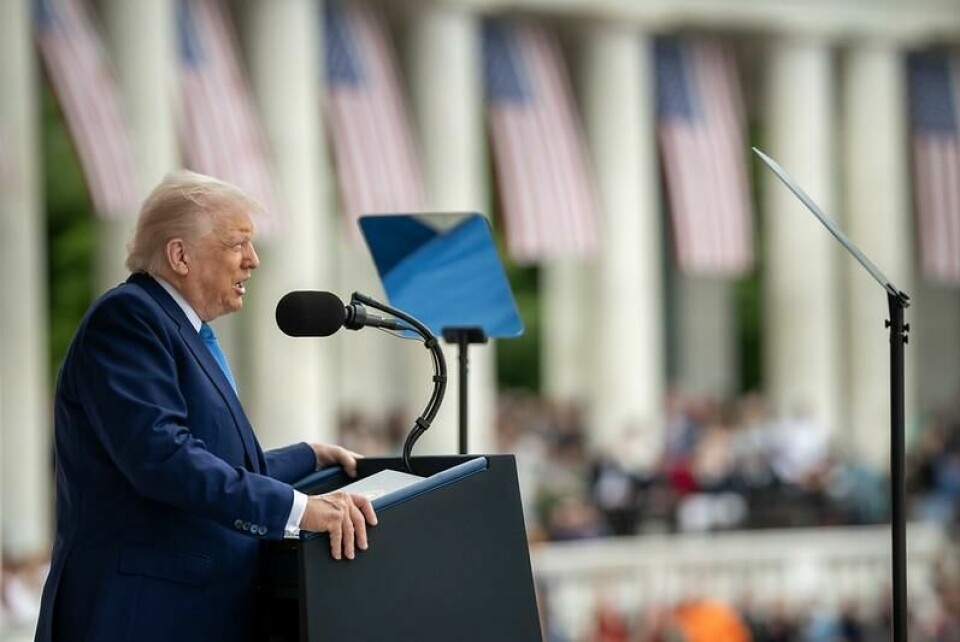
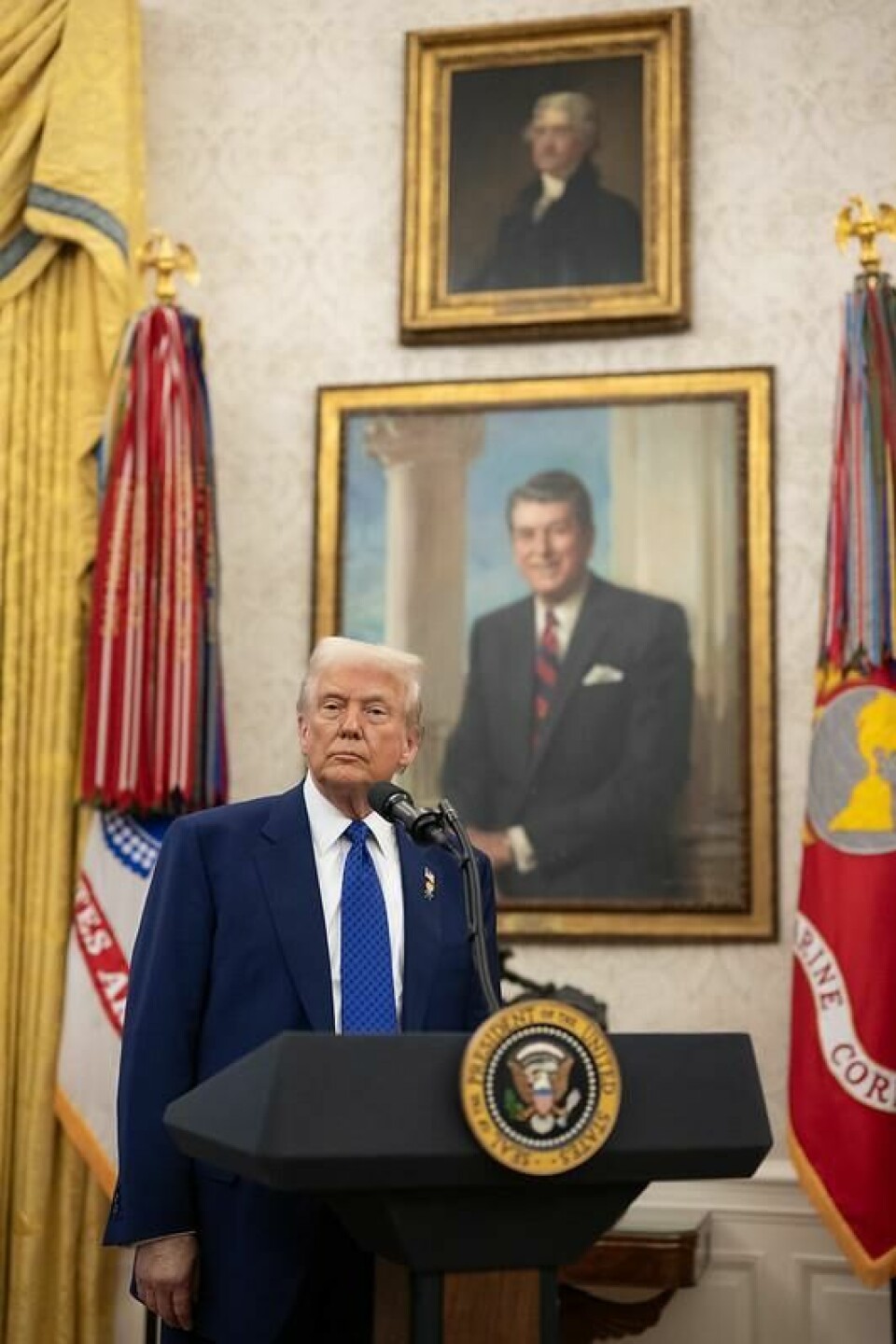
Trump has signed a Presidential Memorandum for reciprocal tariffs Source: White House
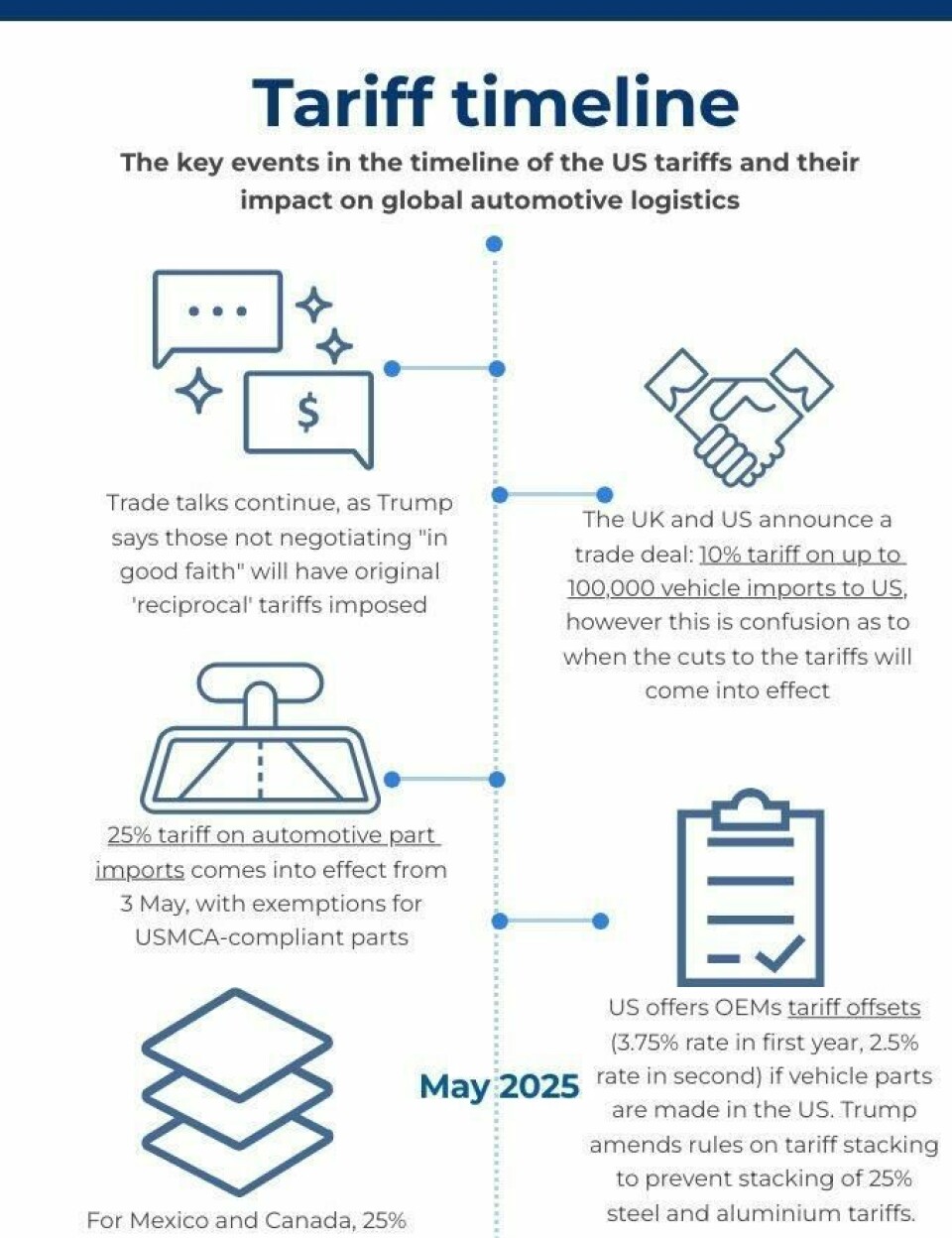
Trump tariffs: A timeline of impacts on automotive logistics
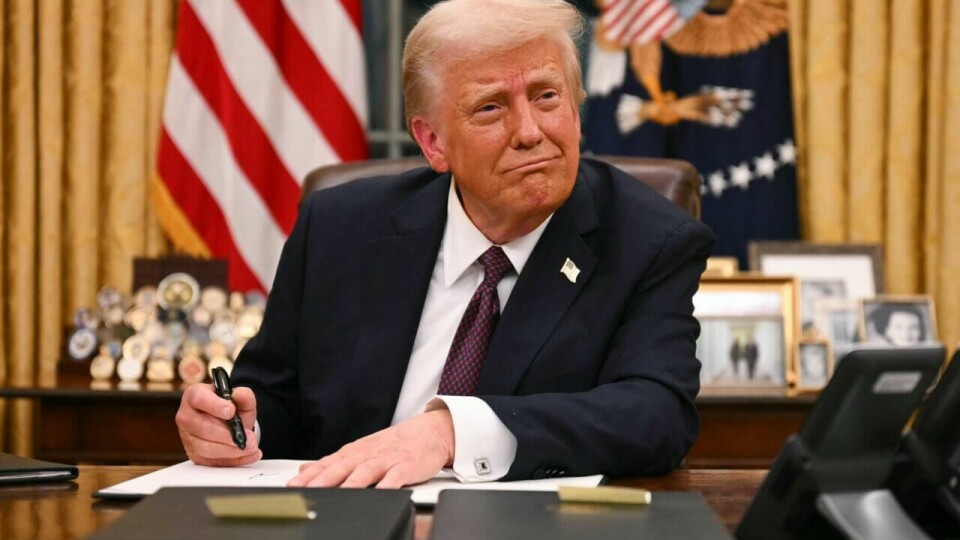
US president Donald Trump has signed a Presidential Memorandum ordering a plan to be made for global reciprocal trade agreements and tariffs.
A White House statement said the reciprocal tariffs make it clear that the US “will no longer tolerate being ripped off”, adding: “The US has one of the most open economies in the world, yet our trading partners keep their markets closed to US exports, and reciprocal trade will finally correct that imbalance.” An example in the White House’s Fact Sheet said: “The EU imposes a 10% tariff on imported cars. Yet the US only imposes a 2.5% tariff.”
The US administration will look at nonreciprocal trade deals and taxes or tariffs imposed on the US, including differences in value-added tax (VAT), which Trump sees as an unfair trade barrier and indirect tariff. Administration staff will be asked to report back for a plan within 180 days.
How the tariffs could impact European and global automotive logistics
Advertisement
The task to discover how goods are taxed and where there are government subsidies will be monumental, especially for the automotive industry.
The European Commission called the tariffs a ’step in the wrong direction’ Source: European Commission
For example, the European Union (EU) has a 10% tariff on imported vehicles, and between 3-4.5% for most imports of automotive parts, while the US tariff on vehicle imports is 2.5% (25% on light-duty trucks). On top of this, VAT rates vary across countries, with most near 20% and some taxed even higher. While the US has no federal VAT system, different states have different sale tax rates ranging from 0-10%.
The US previously set tariffs through the World Trade Organization (WTO), but Trump’s announcement marks a departure from this norm, and instead sets the precedent that the US can determine its own trade agreements and higher tariffs.
It is likely to trigger a host of global trade negotiations, which could cause chaos among the automotive supply chain and hurt investment and long-term planning in automotive logistics.
It will also likely increase costs for OEMs, at a time when they are already struggling with overheads and cutting costs where they can. Carmakers including Ford and GM have both warned that the steel and aluminium tariffs would add around $1 billion to each OEM’s costs.
Reciprocal and counter-tariffs could unravel global trade flows
Trade relations are already changing. In response to the reciprocal tariffs announcement, the European Commission has pledged to respond “firmly and immediately”, calling the tariffs “a step in the wrong direction”.
Advertisement
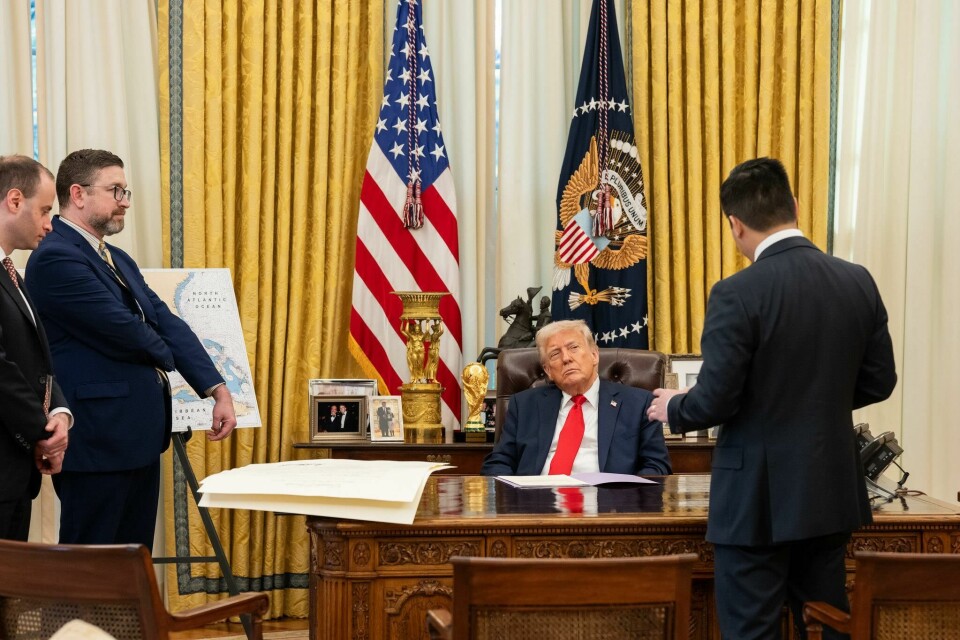
Source: White House
The Commission added: “For decades, the EU has worked with trading partners like the US to reduce tariffs and other trade barriers worldwide, reinforcing this openness through binding commitments in the rules-based trading system – commitments that the US is now undermining.”
Daniel Harrison, in-house automotive analyst at Automotive Logistics, said the move would reverse the success story of decades of globalisation and relatively tariff-free trade, creating chaos and uncertainty, and increasing retaliatory measures, trade barriers and the cost of doing business. The result will be a reduction in investment, raised prices for consumers, and slowed economic growth.
“Despite the overwhelmingly negative response to Trump’s tariff threats, he does have a point about reciprocal tariffs, but the point is that for everyone’s benefit those tariffs should be as low as possible to achieve free-trade – not to increase tariffs, so the EU considering lowering its tariff rate across the board from 10% closer to the US level is actually a step in the right direction,” Harrison said.
He added: “However, President’s Trump false belief that VAT functions like a tariff is fundamentally incorrect. He has deliberately conflated VAT and trade tariffs. VAT is usually paid on all (non essential) products sold, whether it is produced domestically or imported, and so VAT does not function like a tariff or a protectionist trade barrier that discriminates against imported goods.”