Car carriers stuck in Strait of Hormuz impacting Chinese imports to Middle East; oil prices see costs rise and demand shift in Asia
Car carriers stuck in the Strait of Hormuz are impacting Chinese imports to the Middle East, with operators of the ships discharging vehicles into nearby ports. Meanwhile, rising oil prices are beginning to impact automotive supply chains in Asia: pushing up logistics costs, accelerating EV demand and disrupting supply of petrochemicals.
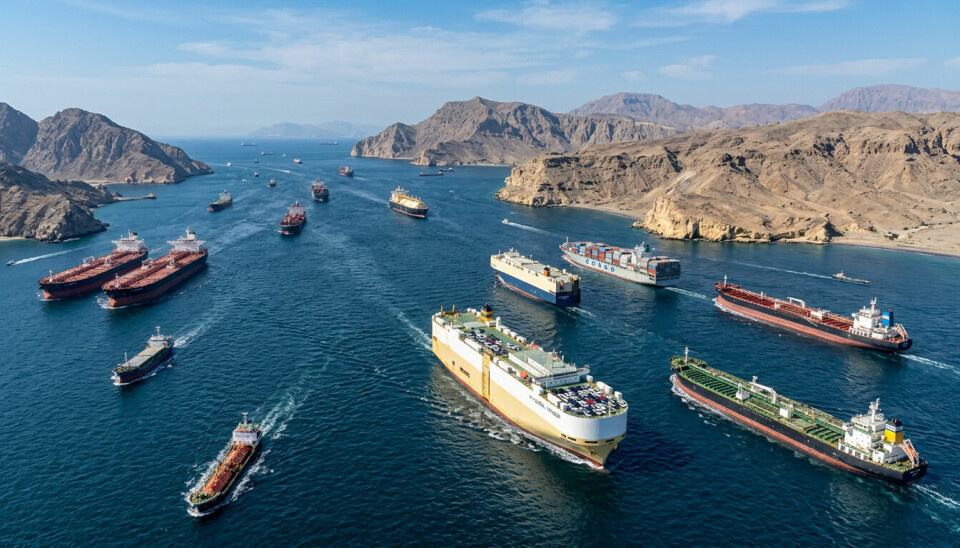
A generic image of vessels in the Strait of Hormuz, where 15 car carries are currently trappedSource: Adobe Firefly
A total of
15 car carriers have been held up due to the ongoing conflict, representing
about 3% of the total global fleet, according to Robert Willmington, markets
editor at Lloyd’s List Intelligence. The vessels typically carry between 6,000
to 8,000 cars, most originated from the Far East.
“Most of
these ships originate from the Far East, with one from Europe,” Willmington
said, “and this is having a big impact on car imports into the Middle East
because the chief import market for the Middle East is increasingly China, and
Japan and South Korea.”
Asian car
imports to the Middle East exceed 1 million units annually, according to the
maritime intelligence firm.
He said
that the car carriers are offloading the vehicles into nearby ports while the
ships remain stuck.
Advertisement
“We
understand these are chiefly into ports in East Africa and India, and some of
the Chinese ships are still able to trade through the Bab el-Mandeb Strait into
Jeddah,” he added. “Some of those Chinese vessels are now heading towards
Jeddah rather than going into the Middle East Gulf to discharge, where we presume
the vehicles will then by transported by road.”
Vessel types trapped in the Strait of HormuzSource: Lloyd's List Intelligence
Most ports
in the region remain operational, but with mixed activity levels. In the UAE,
operations have partially resumed, with warnings remaining of GPS jamming. In
Qatar, ports are open but activities are below pre-conflict levels. Kuwait’s
ports are operating normally, but entry permits are required for some vessels,
while Saudia Arabia and Jordan’s ports are functioning as usual.
The attacks
on vessels have been “indiscriminate”, with 23 attacks since 28th
February, and few attacked vessels with links to the US or Israel. According to
Lloyd’s List, some are even owned by nations considered to be friendly to Iran.
The vessel types hit include container ships as well as bulk carriers, gas
carriers and tankers. Crew members have been killed on several ships, and some ships
have been sunk.
The ongoing
uncertainty around the conflict and the full reopening of the strait is as
damaging as the disruption itself, leaving the shipping industry, and in turn automotive
logistics, planning around an open-ended conflict.
Impact of fuel price spikes and demand fluctuations on automotive supply chains in Asia
Brent crude oil prices have risen significantly since the beginning of MarchTrading Economics
With access to the Strait of Hormuz limited and major energy infrastructure in the Gulf region having been damaged by attacks, oil prices have been volatile, shifting sharply from day to day in response to developing events. As of April 2, 2026, Brent crude oil prices stand at around $107 per barrel – approximately $25 per barrel more than a month earlier.
This rise in oil, fuel and energy prices has impacted automotive supply chains in Asia in a number of different ways, while the Asian market in particular is amongst the most exposed to a dip in vehicle demand from countries in the Middle East.
Increased logistics and production costs
Rising oil costs are feeding directly into higher freight and distribution costs, with fuel representing one of the largest variable expenses for logistics service providers. As a result, logistics companies are increasingly applying fuel surcharges and revising contract rates, particularly as additional costs associated with rerouted shipments and longer transit times are realised.
Iran-related instability is also pushing up risk premiums on petrochemicals from the Gulf region such as naphtha, ethylene and methanol – key inputs for automotive plastics and synthetic materials. This is feeding through into higher costs for components including bumpers, dashboards and interior trims. These petrochemicals are also used to produce synthetic rubber for tyres and seals, as well as a wide range of adhesives and coatings. For automotive supply chains, the impact is being felt most by tier two and tier three suppliers, many of which operate on tight margins and have limited capacity to absorb ongoing increases in input costs.
The disruption also poses the risk of shortages in plastic components, particularly across Asia’s highly-integrated manufacturing networks. Markets with the greatest exposure include India, where petrochemical inputs are closely linked to domestic automotive supply chains; China, given its scale in plastics processing and EV production; and key automotive hubs in South East Asia such as Thailand, Vietnam and Malaysia, which play important roles in component exports and petrochemical production.
At plant level, rising fuel costs and the risk of supply shortages are also beginning to influence production planning. At the end of March, Reuters reported that the Indian government had issued a memo asking domestic carmakers to tighten production schedules as a means of conserving fuel, amid concerns over oil and gas availability linked to the conflict. This move points to a broader risk for automotive manufacturing in markets dependent on imports from the Middle East for fuel, where sustained volatility could lead to reduced operating hours, rescheduled shifts or more tightly sequenced production runs.
While such measures remain precautionary for now, they highlight the extent to which energy has become a constraint not only on logistics but on manufacturing as well. For OEMs and tier suppliers, this raises the prospect of increased coordination between production and energy usage, as well as potential knock-on effects for supplier scheduling and inbound material flows, particularly in just-in-time environments.
Shifting consumer behaviour
Another side effect of oil prices surging has been a reported increase in demand for electric vehicles in Asia. A spokesperson for Vietnam-based automaker VinFast recently told Reuters that rising fuel prices, driven partly by the Iran war, could boost EV adoption and support its target of profitability in 2026 – although analysts expect VinFast to break even towards the end of 2027.
Anecdotal evidence from consumers and dealerships in South East Asia suggests that interest in EV adoption has spiked in the past few weeks, following the rise in fuel prices sparked by conflict in the Middle East. However, Bloomberg Intelligence analyst Joanna Chen acknowledged that sustaining increased levels of consumer interest in EVs long-term will require significant infrastructure investments to address existing concerns holding back EV adoption.
"Affordability and charging have always been the two biggest factors hindering EV adoption,” she said. "Outside of China, the upfront price of EVs are still generally more expensive than gasoline cars."
On a separate note, what can't be overlooked is the impact of reduced Middle Eastern demand for vehicles on the Asian market. According to S&P Global data, most new and used vehicle imports into the Middle East originate from the Asia-Pacific region, and before the war the used car market in the Middle East had been growing by an average of 8-10% per year.
S&P Global warned that "a slowdown in regional demand or disruptions to logistics could complicate re-marketing channels, with potential spillovers into used cars trading in Asia-Pacific". With early reports claiming disruption in used car exports from Asia to the Middle East, this could be a cause for concern.