BLG deals with tariffs and turmoil with investment at Bremerhaven
Finished vehicle shipments through the German port of Bremerhaven in 2025 have been affected by global disruptions to trade flows, including US tariffs on vehicle imports, weak economic conditions and geopolitical turmoil in Ukraine and the Middle East.
Marcus WilliamsMarcusWilliams
PublishedModified
5 min
BLG Logistics is relying on a diversified and flexible logistics network, with a strong multimodal setup combining seaport, rail and road operationsBLG Logistics
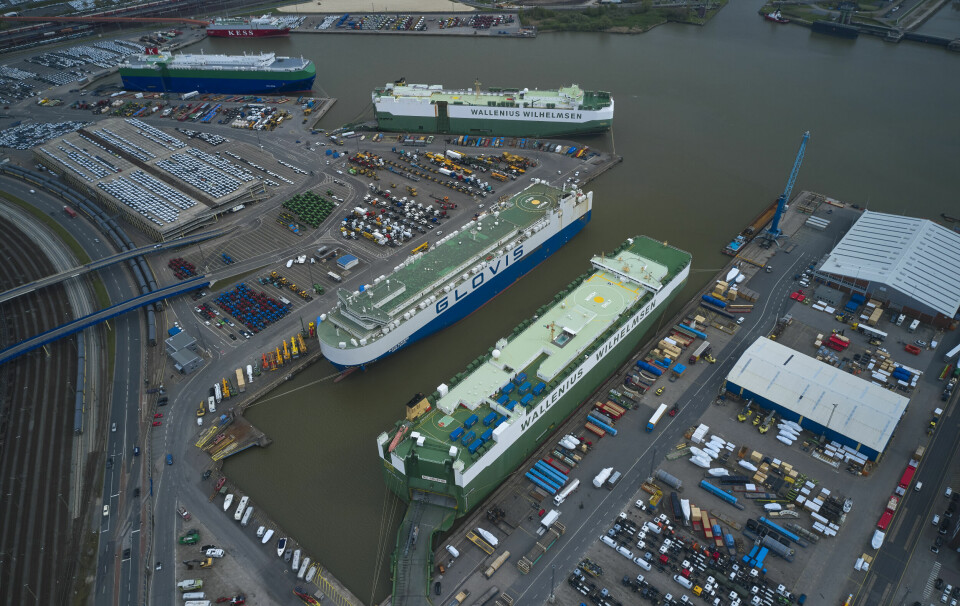
Against a background of turbulent economic and geopolitical conditions, BLG Logistics, which operates the vehicle terminal at Bremerhaven, has maintained service levels through a diversified and flexible multimodal logistics network, and is benefitting from investment in infrastructure both at its port and inland terminals.
BLG Logistics processed around 1.25 million finished vehicles through the German port in 2025, around 4% down on the 1.3 million handled in the previous year, equal to 50,000 units. According to the company, throughput is balanced roughly 50:50 between imports and exports.
According to the company, vehicle volumes were impacted by economic conditions, structural change in the automotive industry and US tariffs.
“On the export side, trade flows were directly impacted by US tariff policy, as around 30% of total vehicle throughput in Bremerhaven is linked to trade with the United States,” said Axel Bantel, managing director and global director sales for the Automobile division at BLG Logistics. That makes US trade the single largest trade corridor through BLG AutoTerminal Bremerhaven.
Advertisement
Alongside the US tariffs weak economic environment and ongoing structural changes in the automotive industry had an impact on throughput.
“Looking ahead, continued volatility in US trade policy remains a significant source of uncertainty for Bremerhaven’s automotive volumes in 2026,” said Bantel.
In its wider network, including inland logistics, BLG handled, transported or technically processed a total of 4.2 million vehicles last year (down from 4.4 million in 2024).
Revenue from the Automobile division declined slightly to €678m in 2025 (-1.38%).
Figure 1: Vehicle handling at Bremerhaven
2025
2024
2023
Imports
625,000
650,000
750,000
Exports
625,000
650,000
750,000
Total
1,250,000 (-3.84%)
1,300,000 (-13.3%)
1,500,000
Figures provided by BLG Logistics (approx. split between import/export)
Geopolitical pressures
BLG confirmed that geopolitical disruption from the war in Ukraine and from the Middle East have also contributed to volatility in global supply chains over the last 15 months.
“The most tangible impact has been on our colleagues in Ukraine, who continue to operate under very difficult conditions,” said Bantel. “Supporting them and maintaining safe operations on the ground remains a key concern for the company.”
BLG Logistics has been operating a joint venture with ViDI Group in Ukraine since 2007 and operates a terminal at Kalinovka and a forwarding office in Chornomorsk, as well as operating a fleet of trucks.
Advertisement
While the direct impact on finished vehicle handling of the combined geopolitical disruption has been limited, the indirect effects – including shifts in trade flows, higher transport and insurance costs, and reduced planning reliability – have been noticeable, according to the company.
To mitigate these challenges, BLG said it is relying on a diversified and flexible logistics network, with a strong multimodal setup combining seaport, rail and road operations, as well as close coordination with customers to adjust routing and capacity allocation where necessary.
“Our focus remains on ensuring resilient operations and maintaining service reliability in an increasingly complex geopolitical environment,” said Bantel.
Imports from China
For the first quarter of 2026, volumes at BLG’s seaport terminals, including Bremerhaven, are slightly below the previous year’s level but remain broadly stable overall. The company said that in terms of imports it is seeing continued momentum, particularly for vehicles from China. While not revealing any figures for Chinese imports through the first quarter BLG said that the growth of Asian vehicle imports into Europe — and Chinese brands in particular — is an important structural growth driver shaping business at BLG AutoTerminal Bremerhaven.
“We are well positioned to support these manufacturers as they expand their presence in European markets, and we expect this flow to continue growing in 2026,” said Bantel.
“Cosco has become a regular ‘caller’ in Bremerhaven,” confirmed Bantel. “Through our strategic partnership, Cosco and importers from China benefit from BLG's inland logistics network solutions, including technical services and distribution logistics all the way to the final receiver.”
Advertisement
BLG said it expects to see Asian vehicle imports grow further in 2026 and beyond, taking into account that a lot of these imports are electric vehicles.
“New mobility models are presenting companies and fleet operators with new challenges, making it essential to have innovative, integrated network solutions in automotive logistics,” said Axel Krichel, BLG’s executive board member and chief operating officer (COO), in a statement. “Our network ensures that we are very well positioned in this respect.”
Funding for infrastructure
In November last year the German Bundestag’s Budget Committee decided to provide a total of €1.35 billion ($1.58 billion) in funding for the construction and expansion of a modern port structure in Bremerhaven. The investment is part of a broader effort to strengthen Bremerhaven as a strategic maritime logistics hub from an economic and security standpoint. “In particular, it aims to enhance infrastructure that can support not only commercial logistics but also military mobility requirements within the NATO framework,” said BLG.
Key areas of investment include the upgrading of quay infrastructure, transport connections, technical facilities, energy systems and digital capabilities. BLG said that will improve overall efficiency, resilience and capacity across the port, and reinforce the port’s position as a central hub in the integrated European transport network.
“While no specific allocation to finished vehicle handling has been disclosed, automotive logistics operations will benefit directly from these improvements through enhanced reliability, better hinterland connectivity and increased operational flexibility,” said BLG’s spokesperson.
BLG Logistics said it is also focused on modernising AutoTerminal Bremerhaven through its ATB 2.0 programme. The programme is using digital tools to enhance efficiency, optimising processes and customer-oriented services in an effort to strengthen the terminal’s long-term competitiveness.
High and heavy at Roter Sand
In the first quarter of 2025, BLG started expansion work for vehicle handling and technical services on the Roter Sand harbour area at Bremerhaven. Progress has gone according to plan and the site is scheduled to officially open at the end of May this year.
With an expansion ongoing at the Roter Sand harbour area at Bremerhaven, the site is due to open at the end of MayBLG Logistics
It will provide 60,000 sq. m of flexible operating area with a strong focus on high and heavy cargo, project logistics and technical services. That includes infrastructure for the handling, assembly and preparation of large-scale industrial equipment directly at the quayside, as well as additional hall capacity for technical operations.
“While the primary focus is not on classic finished vehicle handling, the area complements BLG’s existing automotive logistics network by providing additional flexibility, particularly for specialised services and peak volumes,” said Bantel.
The Ahlhorn terminal also serves as an important backup, in particular for our seaport operations in Bremerhaven. The terminal handles vehicles for BLG’s range of international automotive manufacturers and is fully integrated into its multimodal logistics network.
Reckoning with rail
BLG is navigating ongoing rail network disruption in Germany thanks to its BLG RailTec subsidiaryBLG Logistics
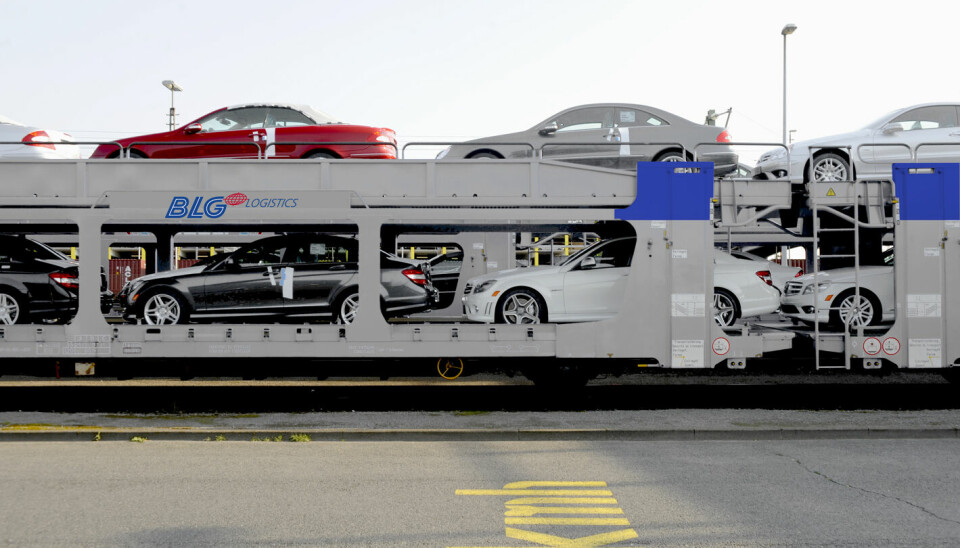
That multimodal logistics network is being tested by ongoing disruption to the freight rail network in Germany from extensive repairs and upgrades, which has had impacts on service reliability. BLG operates about 1,500 of its own rail cars for vehicle transport across Europe and has been dealing with the challenges from the rail network disruptions. The logistics provider said it has been able to secure its rail services by offering alternative routings and additional rail cars.
“To navigate this disruption, BLG operates subsidiary BLG RailTec, which manages in-house shunting and rail car maintenance to ensure fleet reliability and continuous service,” said Sven Wellbrock, managing director of the Vehicle Transport Division at BLG Automobile Logistics.
BLG also employs a mixed modal approach, combining its rail operations with a fleet of approximately 400 trucks to provide flexible, multimodal logistics chains that can compensate for rail disruptions. It said the multimodal network allows it to shift volumes between rail and road when infrastructure disruptions occur, enabling the company to maintain service levels despite ongoing structural constraints.