Seismic shifts in the global trade of electric vehicles: 2024 in review
The car industry is going through a volatile adaptation as it seeks to decarbonise mobility and clean up the logistics supporting production. This year it has also been dealing with trade and labour disruption but the focus is adamantly on a more resilient supply chain and the adoption of digital technology.
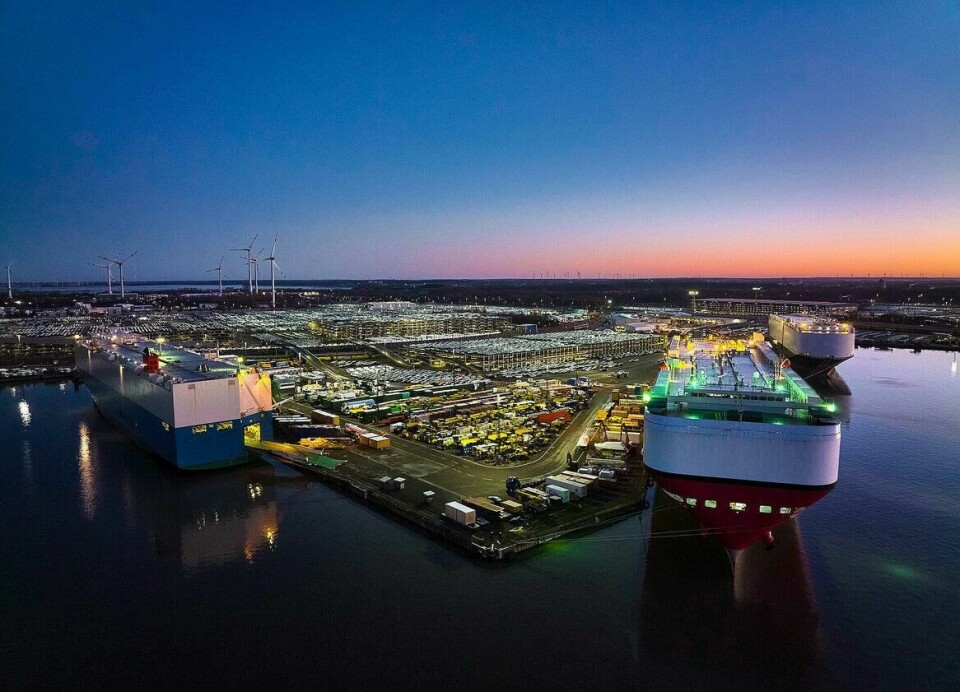
BYD is lookiing to boost sales in Europe despite tariffs on EV imports and is doing so with its own ro-ro vessels
The automotive landscape has changed considerably in one year depending on where you are standing and it is likely to look a lot different in 2025. Concerns about subsidised battery electric vehicle (BEV) imports from China to both Europe and North America have resulted in heavy tariffs even as each region deals with its own fluctuating sales. The removal of incentives and a lack of consumer confidence combined with high overheads in Europe has led major carmakers and their battery suppliers to row back on production plans and look at contingencies. However, carmakers and logistics providers continue to explore ways of decarbonising their operations while regaining capacity and dealing with a range of disruptions, including geopolitical and labour disputes. This year has also seen further advances in the application of the latest digital technology for more efficient operations.
The global export of battery EVs from China was an issue recurrent through 2024 and one that will continue to make headlines in 2025 as China seeks markets for its surfeit of pure battery electric vehicles (BEVs). As export markets, notably Europe, struggle to localise supply and sell their more expensive products, Chinese brands such as BYD and Chery have pushed more competitively priced BEVs to the West and are even looking to localise production as additional tariffs of up to 38% which were introduced by the EU in November take effect.
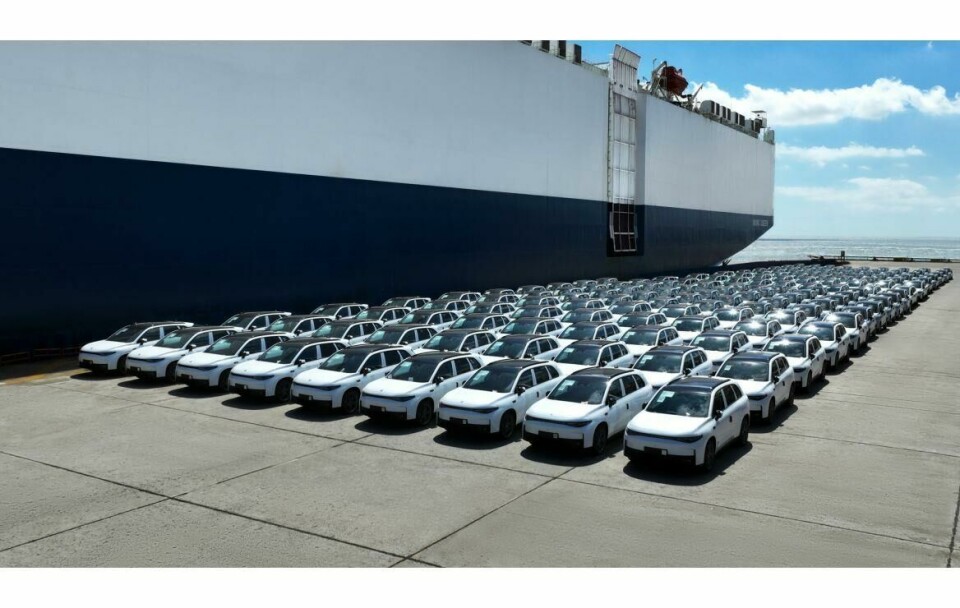
Stellantis’ joint venture with Chinese EV maker Leapmotor is importing vehicles from China as well as planning volume production at the former Fiat plant in Tychy, Poland
In North America, the US and Canada also announced higher tariffs on EV imports this year. In May the Biden administration in the US said import duties on EVs by more than 100% with an eye on controlling imports from China. There are also tariff increases on lithium batteries, semiconductors, critical minerals, and steel and aluminium, among other products, to be phased in over the next two years, affecting more than $18 billion-worth of imports from China. Up to and since the US election Donald Trump has been threatening wider vehicle import tariffs once his administration takes power next year. That led Tesla to place construction of its gigafactory in Mexico on hold. It remains unclear at the end of 2024 what progress will be made on the Tesla facility.
European carmakers and their battery suppliers have been backtracking on previous BEV commitments in the face of slower sales. Between January and October this year 1.6m pure BEVs were sold across the EU, EFTA and the UK. Year-to-date market volume for BEVs in October was 5.8% lower than the same period in 2023, driven in large part by a substantial decrease in Germany (-28.6%), according to the European Automobile Manufacturers’ Association (Acea). However, as was made clear by Automotive Logistics’ analyst Daniel Harrison in August, reports that EV sales were slowing, or even crashing, are not born out by the figures. Rather than a decline, the figures show fluctuation but there is a continued increase. This is born out in figures in the second half of the year.
As Acea reports, registrations of BEVs rose by 9.8% to more than 139,700 units in September this year, compared to sales of combustion-engine (ICE) vehicles, which dropped by 17.9% on average in Europe. There was also a rise in BEV sales of 2.4% to almost 125,000 units in October. In its most recent production report Germany’s Association of the Automotive Industry (VDA) said that more EVs were produced in Germany in October 2024 than in any previous month, with 143,200 manufactured, 38% more than in the same month last year. The figures showed that 109,400 battery EVs BEVs and 33,800 plug-in hybrids (Phevs) rolled off the assembly lines. BEV production increased by 54% compared to the same month last year, and Phev production by 4%. The share of EVs in total production was 38% in October, also higher than ever before. The VDA said that overall, 5% more EVs were produced in the first 11 months of 2024 than in the previous year (1.1m units).
At the Automotive Logistics and Supply Chain Europe conference which takes place in March 2025 top carmakers and logistics providers will discuss how the finished vehicle supply chain is transforming through digital innovation, strategic partnerships and sustainable practices.
Volkswagen woes
Advertisement
Europe is the key driver of VW Group’s electrification strategy, with its Wolfsburg plant in Germany at the centre. In its financial results for the first three months of 2024, the carmaker said its order bank for vehicles in western Europe has remained stable at a high level of 1.1m units, including 160,000 BEVs. In 2023, Europe saw an increase of 61% to 341,100 BEVs delivered.
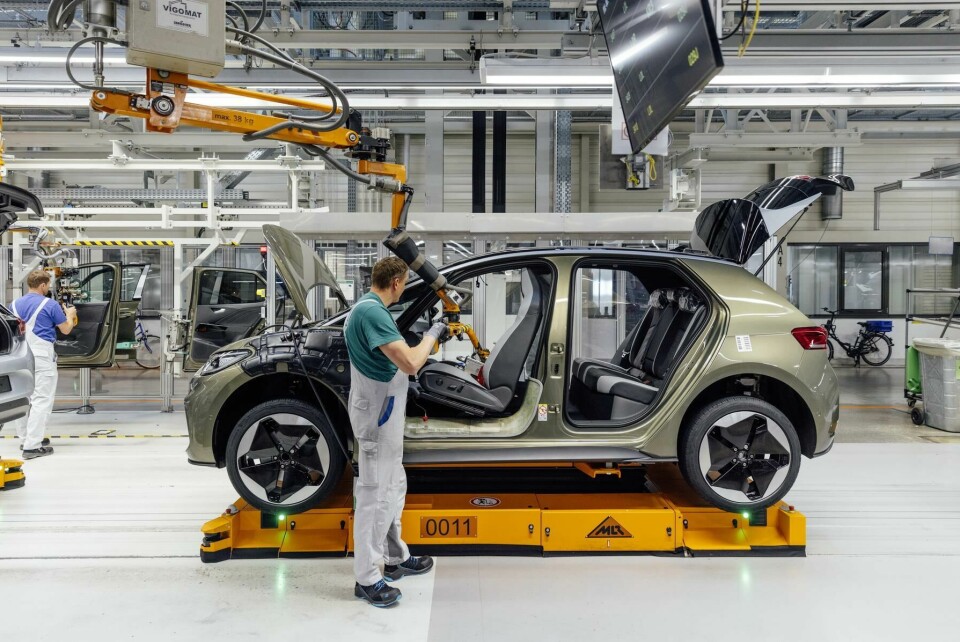
VW is making the most of its installed capacity for EV production at the Zwickau plant in Germany, including the ID.3
VW Group began the year with the view that Europe was a key driver in its electrification strategy, with its Wolfsburg plant in Germany at the centre. In its financial results for the first three months of 2024, the carmaker said its order bank for vehicles in western Europe has remained stable at a high level of 1.1m units, including 160,000 BEVs. In 2023, Europe saw an increase of 61% to 341,100 BEVs delivered. Production is supported by a tightly organised but flexible supply chain logistics strategy that aims to deliver goals for electrification and cost, as Simon Motter, head of Volkswagen Group Logistics explained in a special feature published in March.
Audi has also been forced to announce the closure of its plant in the Belgian capital Brussels by February next year. The plant, which makes the Q8 e-tron, has been struggling with long-standing structural problems along with high logistics costs and a decline in demand for the Q8 e-tron and Q8 Sportback e-tron had led Audi to look for alternatives. The withdrawal of the last potential investor in November has left the carmaker to focus on how it will manage the redundancy of its workers.
According to Harrison, cost cutting has become the automotive industry’s priority in 2024, as OEMs desperately try to retain operating margins in a difficult market where EV supply and consumer demand remains unbalanced. He said that while cost pressures have always been present within automotive logistics – fundamentally because it is a highly fragmented and therefore highly competitive and low margin business – it has become crucial this year, as carmakers urgently need profitability to finance the huge capital expenditure required for the EV transition.
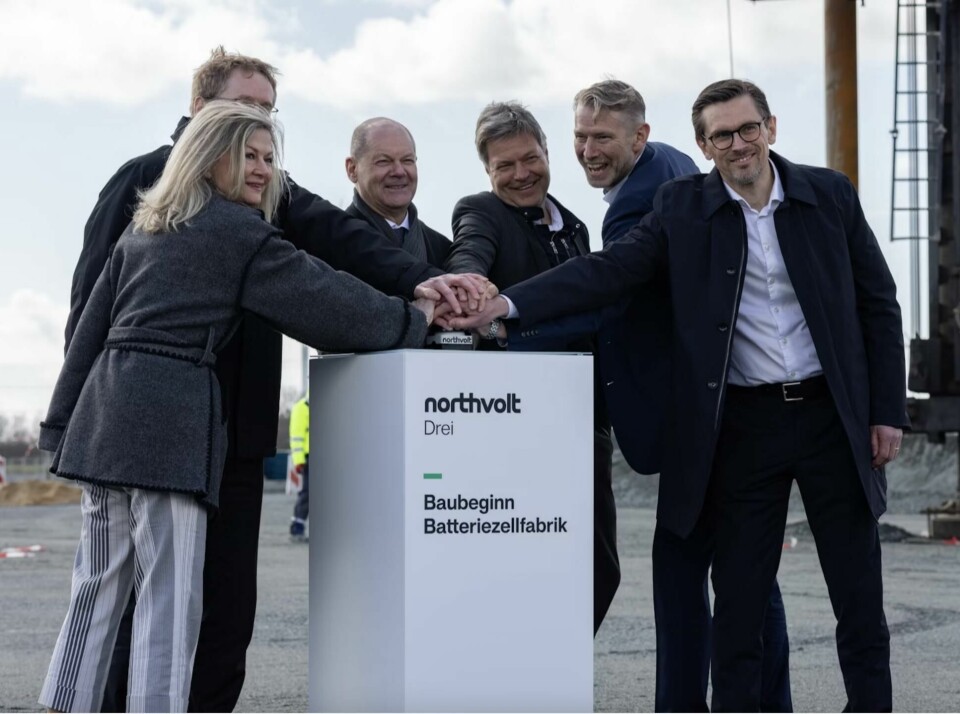
Elsewhere, Northvolt announced in April it was starting work on a German gigafactory in Heide called Northvolt Drei, that would have a maximum installed annual capacity of 60 GWh and would begin production in 2026. Those plans appear still to be going ahead, with supply of cylindrical cells going to BMW in 2028, but in September the battery maker announced it was halting the expansion of its flagship Northvolt Ett plant in Sweden, shortly after which its subsidiary Northvolt Ett Expansion filed for bankruptcy. Northvolt has also placed its Northvolt Ett cathode active material facility into “care and maintenance” and is slowing down programmes and expansion at Northvolt Labs in Västerås, maintaining only its “fundamental platforms” for battery innovation and product development. In November Northvolt filed for Chapter 11 reorganisation in the US, and its co-founder and CEO Peter Carlsson stepped down from the CEO role to one as senior advisor.
In April Northvolt announced the start of work on a battery factory in Germany but has halted the expansion of its flagship facility in Sweden
There are, however, continued investments in battery production and logistics. In central and eastern Europe, production costs are lower and the region has shown strong performance, especially in Poland, which now accounts for a significant volume of lithium battery production. Along with Hungary, Poland is expected to be a dominant player in the battery value chain of the future, according to Petr Dolejsi, mobility and sustainable transport director with Acea.
In the US, battery investments are proceeding apace though the market has its own volatility not unlike Europe. Cost pressures across automotive logistics are escalating in a difficult market where EV supply and consumer demand remains unbalanced. GM’s Jeff Morrison, vice-president of global purchasing and supply chain at GM, told delegates at the ALSC Global conference 2024 that from an EV standpoint, the battery is the biggest cost driver through both material costs and logistics costs. To combat this, GM is using battery localisation, as well as gaining more visibility of its raw material suppliers. Morrison said the carmaker is working on building out the value chain going back to the raw material mines and manufacturing battery cells in the US with its partners.
Electric logistics
While BEV sales according to region fluctuate, the transport sector supporting inbound parts movements to the OEM plants continue to invest and commercial vehicle makers continue to build electric trucks to decarbonise logistics.
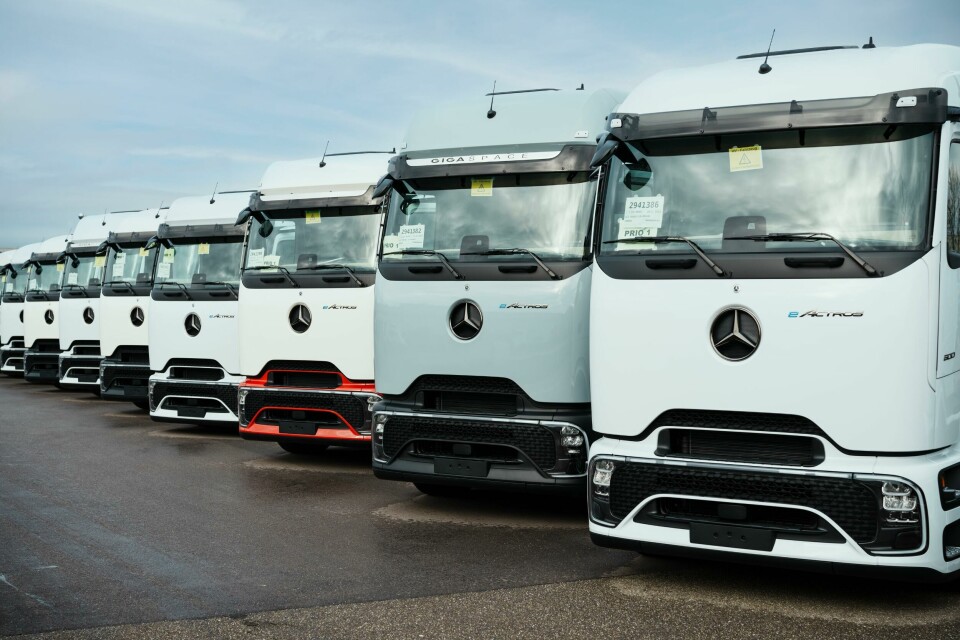
Daimler Trucks has been on a mission to supply transport providers, including its own, with the range of electric Actros trucks. Following the start of distribution of its Mercedes-Benz eActros 300 model at the end of the 2023, the company is benefitting from cleaner inbound deliveries to the Mercedes-Benz Trucks plant in Wörth and the passenger car plant in Sindelfingen, both in Germany. In December this year, Mercedes-Benz Trucks has started supplying customers with its longer-range eActros 600 truck and is expected to start supplying customers supporting Daimler Truck’s own plant logistics at Wörth in Q2, 2025. Mercedes-Benz Trucks has also invested in supporting charging infrastructure at the Wörth plant. In November this year the Wörth truck plant celebrated the opening of the new charging park for etrucks with six new fast-charging stations. Those charging points are in addition to the eight that were already in place.
In the US, Hyundai has started using 21 heavy-duty hydrogen fuel-cell electric trucks for logistics operations at the Hyundai Motor Group Metaplant America (HMGMA) in the US state of Georgia. The Hyundai Xcient Class 8 etrucks will be used to transport parts inbound from suppliers to the plant complex near Savannah by the vehicle maker’s joint venture with Glovis America – HTWO Logistics. Hyundai has already logged over 4m commercial miles in Europe using the trucks, having debuted the project in Switzerland in 2020.
Mercedes-Benz has started supplying the long-range eActros 600 electric truck to customers and that will include its own logistics providers in the second quarter of 2025
On the outbound side of the business, Mosolf announced in September the addition of six fully electric vehicle transporters for its operations in Germany and wider Europe. The trucks are supplied by etruck maker Designwerk and the tailers are supplied by Kässbohrer. It said it will add another six in 2025. BMW has also been working with Ceva Logistics on the delivery of BMW and Mini cars using an electric finished vehicle carriers in the Paris region since September this year. It is the first electric car carrier Ceva has deployed.
Efforts at decarbonising finished vehicle moves have not been restricted to the roads in 2024. Deep and short-sea finished vehicle carriers have been investing in more sustainable vessels and launching clean fuel initiatives.
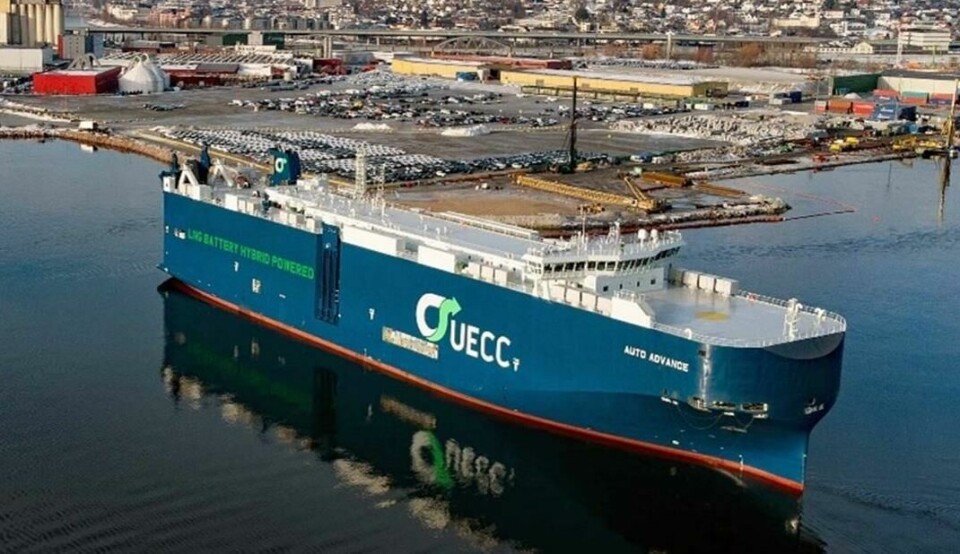
In Europe, short-sea operator United European Car Carriers (UECC) is supporting its ongoing investment in dual fuel, pure car and truck carriers (PCTCs) with a fuel switch programme for carmakers, which launched in June, that offers them the option to choose biofuel for shortsea shipments. Six UECC vessels can run on bioLNG, primarily supplied by Titan Clean Fuels. The vessels – three dual-fuel LNG pure car and truck carriers and three multi-fuel LNG battery hybrid PCTCs – can refuel at their regular berth at Zeebrugge port, with supply coming from the Fluxys terminal. The vessels can also run on liquified biomethane (LBM), which promises net-zero carbon savings and UECC said in December it is now increasing the use of LBM on its dual-fuel LNG PCTCs. Toyota, Ford and one other unnamed carmaker have signed up to ship their finished vehicles with UECC using the alternative fuels.
United European Car Carriers is supporting its ongoing investment in dual fuel, pure car and truck carriers (PCTCs) with a fuel switch programme for carmakers
Traumatic trade lanes
While some vessels have been sailing more sustainably that has not guaranteed security and 2024 began with geopolitical disruption to trade lanes carried over from 2023.
Container vessel and PCTC operators including CMA CGM, Evergreen, Hapag Lloyd, K Line, Maersk, NYK and MSC were continuing to reroute vessels to avoid danger in the Red Sea from attacks by Houthi rebels in Yemen following a spate of attacks in late December and January. Tensions in the Middle East also saw Iran capture a container ship – MSC Aries – in April, which led trade firm to forecast a rise in war risk premiums.
At the top of the year Inchcape Shipping Services and maritime risk management agency Ambrey advised shipping companies to build a trusted data network and do a thorough risk assessment. Threats to global shipping did not disappear in 2024 but increased. Ambrey recorded over 4,400 maritime security events globally, representing a 37% rise compared to 2023. According to Ambrey’s analyst Tomas Alexa, who was speaking during the Q4 Global Shipping Report webinar from Ambrey and Inchcape broadcast in December, there were a number of headline developments affecting trade, including Israel’s incursion into Lebanon and the exchange of missile attacks with consequences for maritime shipping and insurance premiums.
“The conflict in the Middle East led to the rerouting of trade flows, exposing vessels to new security risks in previously less frequented waters,” said Alexa. “After years of being successfully suppressed we recorded the first Somalian piracy ransom. This highlighted the resurgence of the risk in Somali waters, which necessitates renewed vigilance, but it also speaks to the number of vessels sailing around the Somali coast.”
The EU Emissions Trading System and the IMO’s updated decarbonisation targets also became operational, which has imposed stricter emissions controls on the maritime sector reshaping operational practices, emphasising energy efficiency and carbon credits.
The ongoing invasion of Ukraine by Russia is also disrupting global shipping because of sanction evasion, and military exercises in the South China Sea and around Taiwan by China and the US have also caused disruption to trade lanes.
The impact of geopolitical disruption to vessel operations at a time when vessel capacity is in recovery has also impacted the ports in 2024.
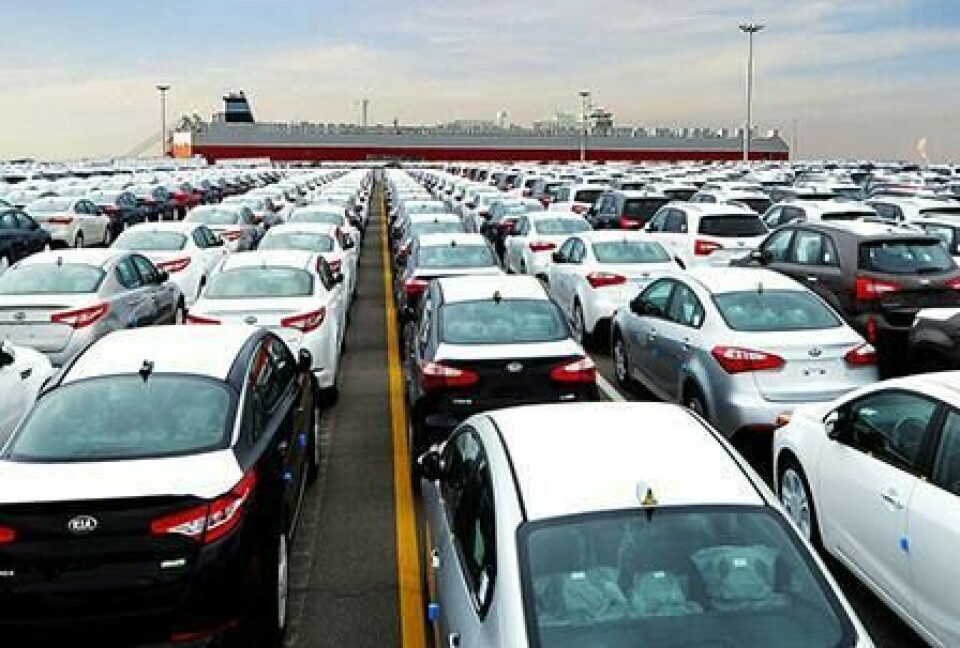
The port authority of Antwerp-Bruges reported a drop in finished vehicle handling of -9% to 1.66m units through the terminals at the ports of Antwerp and Zeebrugge for the first half of 2024. In July the port authority said there continued to be congestion at the ro-ro terminals because of carmakers stockpiling vehicles at the ports and a drop in demand for vehicles. Delays in vessels calls caused by them having to reroute around the Cape of Good Hope to avoid conflict in the Red Sea is also adding to the congestion. That resulted in a drop in throughput for all transport materials by 13.2%, according to the port authority (review our European vehicle-handling ports report).
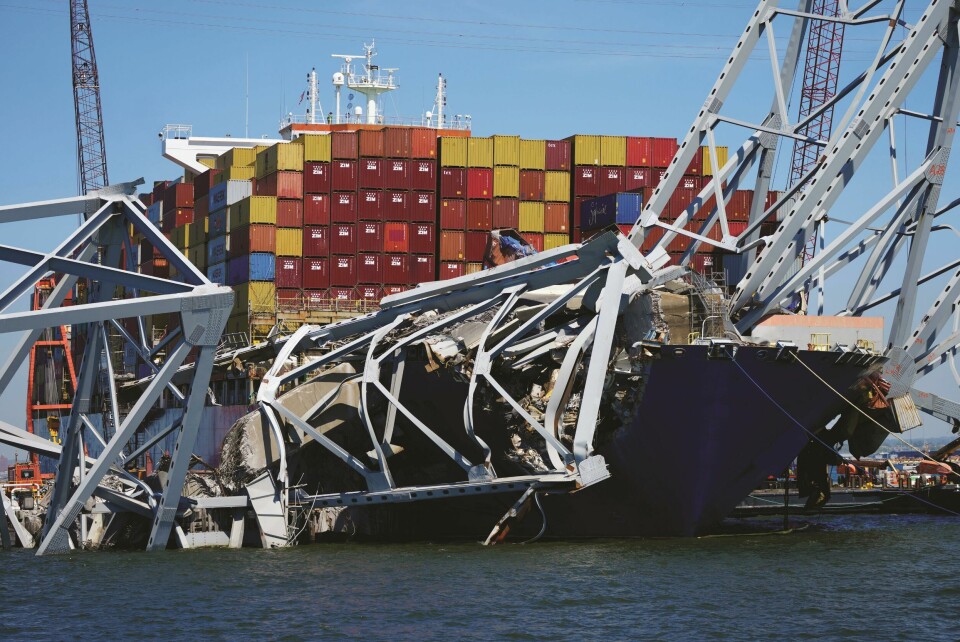
The collision of the Dali container ship with the Francis Scott Key bridge in Baltimore caused widespread logistics problems in March
Perhaps the biggest disruption recorded this year, however, was the impact of the Francis Scott Key bridge collapse on operations at the US port of Baltimore between March and June. The bridge collapsed on 26 March when the 290-metre Singapore-flagged container ship Dali lost power and struck a column on the bridge, leading to the death of six people who had been working on the bridge at the time.
Elsewhere, big investments have paid off with increased and more efficient throughput. The port of Brunswick, also on the US east coast, saw the completion of a major expansion of infrastructure at the Colonel’s Island terminal. Working with finished vehicle logistics provider Wallenius Wilhelmsen and terminal infrastructure developer TransDevelopment Group (TDG), Georgia Ports Authority (GPA) invested $262m to develop new infrastructure across approximately 40 hectares (100 acres) of property and make other upgrades. Annual capacity at Colonel’s Island is now 1.4m vehicle and machinery units – a 40% increase on last year.
There has also been major investment at the Mexican port of Veracruz, North America’s biggest vehicle-handling port. The national port administration at Veracruz (Asipona Veracruz) has made a lot more land available for vehicle storage and processing around the port and carmakers are seeing the benefit. They are also benefiting from investment from terminal operators CSI Group and SSA Mexico, and it has a more collaborative relationship with the port Tuxpan, almost 300km to the north. Together the port authority and its terminal operators CSI and SSA have invested 1.1 billion Mexican pesos ($53m) to improve finished vehicle capacity and throughput.
However, strike action has also affected ports in North America in 2024, with disruption on the US east and Gulf coasts, and at Canadian ports on both east and west coasts among the more major industrial actions. Both disputes have the labour and the impact of automation at their core.
On the US east coast strike action by 50,000 members of the International Longshoreman’s Association (ILA) began on October 1 because of a failure in negotiations with the US Maritime Alliance over wages and automation. That action threatened major disruption to container handling but the action was called off after three days when an agreement to extend the existing contract to January 15, 2025. Without further successful negotiation, there could be further disruption come the new year. The influence of Donald Trump’s support for the ILA in the dispute over automation remains to be seen. Follow Automotive Logistics blog on the dispute.
In Canada, a lockout of workers on November 4 by the British Columbia Maritime Employers Association (BCMEA) following threatened strike action by the International Longshore and Warehouse Union (ILWU), led to disruption that impacted both container and vehicle throughput at the west coast ports of Vancouver and Prince Rupert. Nearly 100% of Canada’s Asian-manufactured vehicle imports come through the port of Vancouver. That action was also stopped, this time by the intervention by Canada’s labour minister. Steven MacKinnon used federal powers to end work stoppages at the ports, ordering binding and final arbitration between labour unions and ports ownership. MacKinnon instructed the Canada Industrial Relations Board (CIRB) to end the strikes because mounting economic losses required urgent action to protect jobs and Canada’s economic stability.
On the US east coast, strike action by 50,000 members of the International Longshoreman’s Association (ILA) began on October 1 because of a failure in negotiations with the US Maritime Alliance over wages and automation
Strikes by the ILA also took place on the east coast of Canada, at Montreal port’s Termont container terminals, which accounting for 40% of its container traffic That dispute also involved union response to the increase in automation. That action has was also halted container congestion for both Canadian and US-bound goods took weeks to clear.
Earlier in the year, strike action of wages also affected throughput at ports in Germany, including the vehicle ports of Bremerhaven and Emden, as well as Bremen, Hamburg and Brake. The action affected operations for between 24-48 hours depending on the port.
Robots and automation
The use of automation and digital technology to bring efficiency to operations across the supply is not going away because of strike action and there have been some significant applications by carmakers in 2024.
Staying in Spain, the collaborative digital project Autoparts from Spain reported in August that AI’s radical transformation of the automotive supply chain is providing opportunities for tier suppliers, with benefits already registered by members Antolin, Fersa Bearings and Gestamp. “AI has wide applications in the automotive industry, allowing the optimisation of supply chain processes as well as improving the vehicle efficiency,” said Begoña Llamazare, spokesperson for the organisation.
In March Mercedes-Benz Group signed a contract with robotics supplier Apptronik to look into in-plant logistics applications for Apollo humanoid robots in the carmaker’s manufacturing facilities. More recently, in December, BMW’s head of next-generation robotics, Carolin Richter, talked at Automotive Logistics and Supply Chain Digital Strategies Europe about humanoid and multi-purpose robots for last-mile handling and complex picking tasks. In addition, Audi’s new joint venture with FAW in China – Audi FAW NEV – is looking at the use of humanoid robots at its Changchun BEV plant. Toward that it has signed a memorandum of understanding (MoU) with the Beijing Innovation Center of Humanoid Robotics and Ubtech Robotics to further explore the use of the technology.
On the aftermarket side of the business, General Motors announced in March plans to invest $23m in its Charlotte Parts Distribution Center (PDC) in North Carolina, US. That investment, which includes an automated storage and retrieval system, builds on the $120.5m announced in 2023 in technology at three Customer Care and Aftersales (CCA) facilities in Tennessee and Michigan.
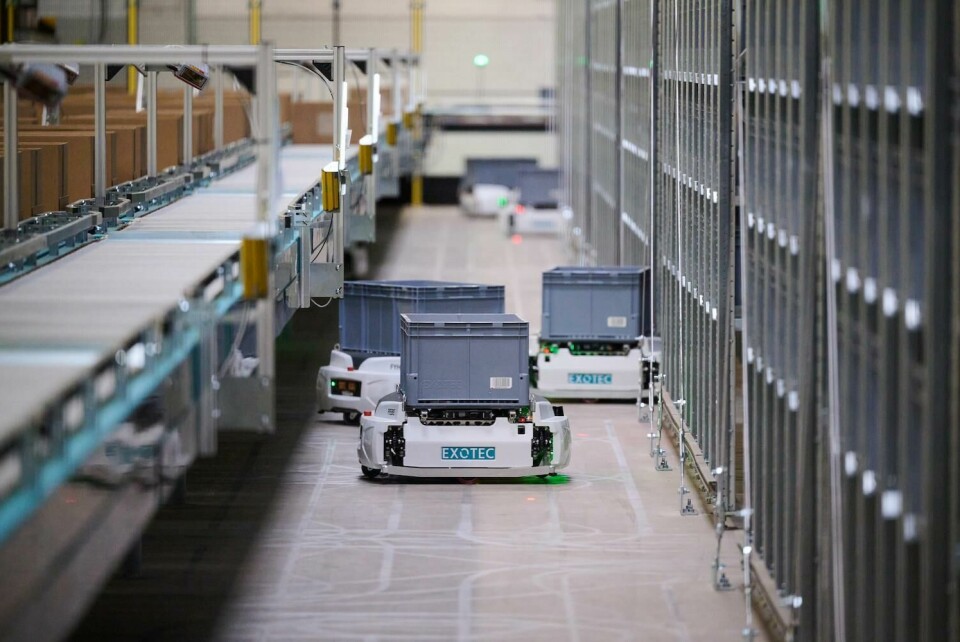
Renault Group is working with Exotec on automated logistics at its-Villeroy parts and accessories facility in France
In June Renault Group showed how it is using the latest automation technology at its Villeroy service parts distribution centre (PDC) in France to increase the number of orders served by 25% per day. Also in June, Dr Michael Nikolaides, senior vice-president, Production Network, Supply Chain Management and Logistics at BMW Group, discussed digitalisation and data accuracy, and how BMW is using artificial intelligence and algorithms to extract relevant data to deal with disruption and make the supply chain more efficient.
Tariffs on trade implemented by Europe and the US will continue into 2025 and it remains to be seen how much of Donald Trump’s pre-inauguration rhetoric makes it to enforceable policy next year. What is clear for certain carmakers is that the manufacturing and logistics landscape is changing.
Could there be lessons for Volkswagen, which has admitted is has not been earning enough to invest in its future and is looking to restructure across passenger and commercial vehicle divisions, as well as components, to get substantial cost reductions and maintain competitiveness. Its CEO Thomas Schäfer said that factory costs are currently 25% to 50% higher than planned making German plants twice as expensive as its competitors. As mentioned above, now it is looking at plant closures, staff redundancies and wage cuts among other measures.
During its Q3 earnings call VW Group’s chief financial and operations officer, Arno Antlitz, said that overcapacity in the market meant supply is high while demand has declined and prices are under pressure. The carmaker’s formerly more competitive Chinese ventures are not making up for the deficit and have also lost ground to Chinese rivals over the last decade, though it is now engaged in an ambitious digital production strategy to speed development and assembly of new energy vehicles, and establish itself as the number one international carmaker in China.
Stellantis’ joint venture with Leapmotor for EV production in Italy, and its venture for battery production in Spain with China’s CATL, might indicate one option for carmakers in Europe looking at an electric future but struggling to get there with high overheads and fluctuating sales – closer collaboration with Chinese competitors and potentially convincing them to partner in Europe. Volkswagen has currently ruled out any joint venture activity with Chinese carmakers in Germany and may be restructuring operations in China. What is clear is that Chinese EV makers and battery suppliers are focused on nearshoring production in Europe and will be looking at property if Volkswagen closes and sells its Dresden and Osnabrück plants.